Understanding the significance of alcohol-free Spirits

The process of becoming pregnant is that is full of anticipation and excitement. It’s also an era when moms-to-be are more concerned about their health and well-being more than ever. One of the most important aspects to ensure good health during pregnancy is to limit drinking alcohol. The two do not mix, and even tiny amounts of alcohol may pose risk to the developing fetus. However, that doesn’t mean you need to give up the pleasure of taking a sips of a beautiful cocktail or taking pleasure in the social aspect of drinking with close friends and family.

Steady Trend in Alcohol-Free Choices

In recent years, there has been a major shift in the way we look at alcohol. Many individuals, pregnant or not, are choosing alcohol-free alternatives for various reasons. Whether it’s to make healthier choices and designated drivers, or people who want to stay clear of alcohol, drinking alcohol-free spirits and drinks has been increasing. This trend has given rise to an array of alcohol-free choices that cater to the tastes and preferences of every person, including pregnant mothers.

The need for secure and Enjoyable Alternatives during Pregnancy

Pregnancy is a time that is filled with intense cravings. often, it is accompanied by cravings for a refreshing and flavorful drink. The good news is that you shouldn’t be compromising your health or the health of your baby to enjoy a delightful beverage. Alcohol-free spirits have proven to be an exciting alternative in this area providing a safe appealing, and elegant alternative to traditional alcoholic drinks.

These alcohol-free spirits are specially designed to mimic the flavor of aroma, flavor, and sophistication of alcohol-based spirits while removing the harmful effects of alcohol. They offer a wide range of possibilities for pregnant women who would like to experience enjoyment of drinking on a well-crafted cocktail without the risk.

In the sections in the following sections, we’ll dive further into the many benefits of alcohol-free drinks for pregnant women. From the health advantages to safe socializing and finding suitable products to explore the ways these products will make your pregnancy not only safe but also enjoyable. Let’s look at some of the benefits to opting for alcohol-free spirits during pregnancy.

Keywords that are bold: Alcohol-Free Spirits, Pregnancy, Health Benefits

ITALIC Keywords Alcohol-free alternatives, relaxing alternative, secure socializing
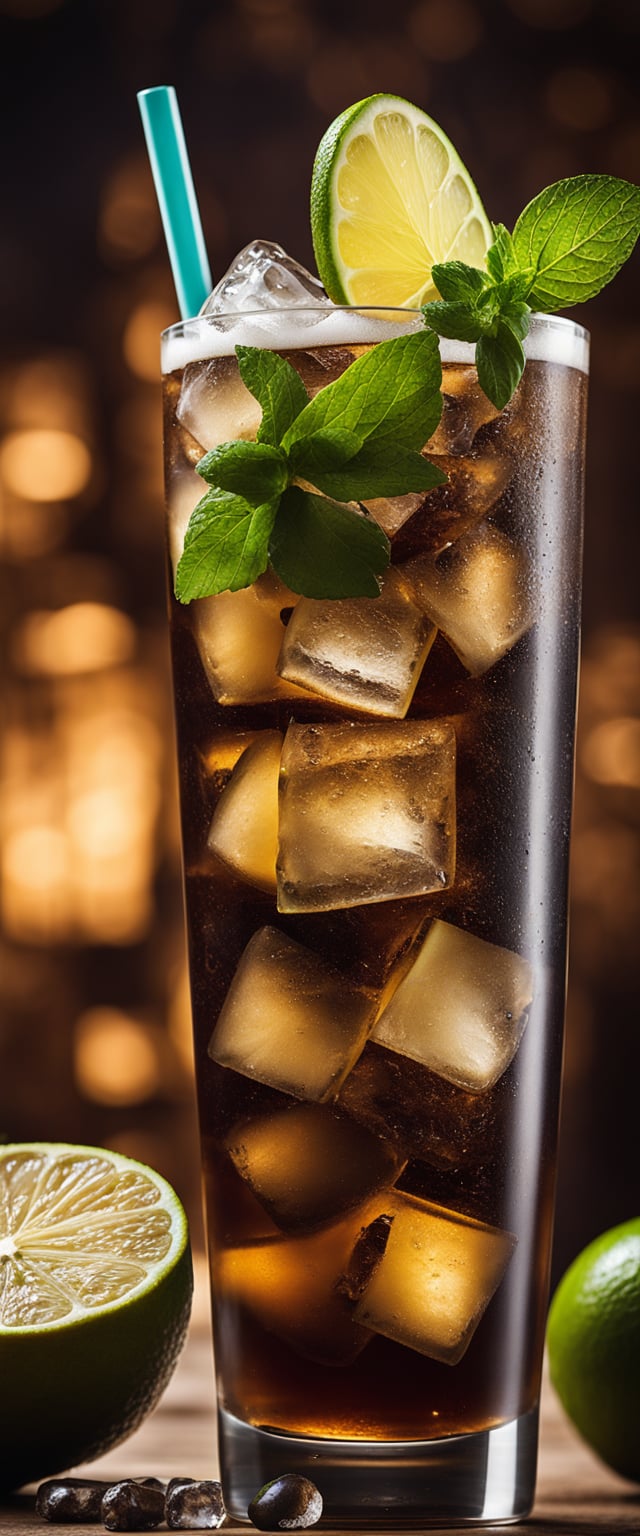
easy

The world of alcohol-free Spirits

Now that we’ve established importance of alcohol-free spirits during pregnancy, let’s dig deeper into the world of these interesting as well as innovative beverages. Knowing the world of alcohol-free spirit is vital for women expecting to find a healthy and enjoyable alternative to traditional alcohol drinks.

There are a myriad of options

The first thing to notice when examining the world of alcohol-free spirits will be the overwhelming choice of options available. The manufacturers have noticed the need of these products and responded with a sense of humour and innovation. Therefore, you’ll discover a variety of alcohol-free spirits. Each one has their own unique flavor profile and distinct qualities.

From gin without alcohol that embodies the essence of botanicals to alcohol-free whiskey that evokes the warmth and richness of oak-aged spirits, there’s something for everyone. These drinks are produced with precision, utilizing botanicals as well as spices, herbs, and the most innovative distillation methods to simulate the aroma, taste and the complexity typical spirits.

Quality and Taste

There is a common misconception that alcohol-free spirits lack the depth and quality of their alcoholic counterparts. It’s more wrong. Alcohol-free spirits can be made with the greatest care, frequently using premium ingredients, to ensure a taste experience that’s superior to alcohol-based drinks.

When deciding on alcohol-free spirits look at your preferred flavors. Do you prefer the tanginess of classic gin-and-tonic, or do you prefer towards the more smoky tones of whiskey? Are you a fan of botanical and herbal elements or do you prefer a hint of citrus? Understanding your taste can assist you in exploring the diverse assortment of options, and ultimately find the alcohol-free spirits that fit your taste.

Reading Labels and Ingredients

Just like any food or beverage product, it’s essential to study the labels and comprehend the ingredients that are used in spirits that are alcohol free. Although these drinks are generally safe for women who are pregnant It is important to be aware of any potential ingredient or allergen that might not be suitable for your lifestyle. You should look for products that make use of natural ingredients and avoid those that contain artificial ingredients or high levels of sugars.

Frequently Asked Questions

Q1: Are alcohol-free spirits totally free of alcohol? A1: Yes the alcohol-free spirits contain no alcohol, which makes them suitable for pregnant women and designated drivers.

Q2 Do I have the ability to mix alcohol-free spirits in cocktails? A2: Absolutely! Spirits that are alcohol free can be used as a base for mocktails, or in combination with other ingredients that are not alcohol-based to make refreshing drinks.

Q3 Where can I buy non-alcoholic spirits? A3: You can find alcohol-free spirits at many liquor stores, as in online stores. Make sure to read all the information about the product as well as reviews before making a purchase.

In the next part we’ll look at the health benefits of using alcohol-free spirit during pregnancy. They are not just suitable for use during pregnancy, but they also offer unique advantages for mothers who are expecting. Let’s explore this subject in greater detail.

The Bold Keywords are: The alcohol-free Spirits, Variety Taste, Reading Labels

Italic Keywords: flavor preferences, natural ingredients, versatile

Exclusive Direct Ordering: Choose Swedish Distillers for Your Non-Alcoholic Spirits Needs!

The health benefits of selecting alcohol-free spirits during pregnancy

Now that we’ve explored the world of alcohol-free spirits and figured out how to make informed choices now is the time to dive into the health benefits of choosing these delightful beverages during pregnancy. Many pregnant mothers are turning to alcohol-free spirits, not just to avoid harm, but also due to the advantages they have to offer. Let’s find out these benefits.

1. Zero Alcohol, Zero Risk

The biggest benefit of alcohol-free spirits for women who are pregnant is in the title: “alcohol-free.” Traditional alcohol drinks pose inherent risks during pregnancy, and drinking moderate amounts of alcohol can harm the fetus that is developing. Alcohol-free spirits mean that you can relish the flavor and experience of a cocktail without you or your baby to any alcohol-related dangers.

2. Staying Hydrated

It is a common practice for pregnant women to drink enough water to aid in the body’s heightened blood volume as well as ensure the health for both baby and mother. Alcohol-free spirits can be a wonderful opportunity to indulge in delicious beverages in order to maintain your fluid levels. It is possible to make alcohol-free cocktails using fresh fruit juices, herbal infusions and sparkling water to keep well-hydrated and refreshed.

3. Nutrient-Rich Ingredients

A variety of alcohol-free spirits are produced by blending a variety of botanicals which include herbs, spices, and with distinct flavors and possible health benefits. Some non-alcoholic gins contain juniperberries and are a great source of antioxidants. These antioxidants help to protect cells from stress caused by oxidative suffocation, while also enhancing overall well-being during pregnancy.

4. Digestive Comfort

It is not uncommon for pregnancy to cause digestive issues due to hormonal changes and the increase in pressure placed on internal organs by the baby. Alcohol-free spirits, particularly ones that contain botanical and herbal components, can provide soothing benefits for the digestive tract. Ingredients like ginger, mint and chamomile are well-known as a remedy for indigestion and nausea.

5. Social Enjoyment

Being pregnant doesn’t mean that you have to stay away from events and celebrations. Alcohol-free spirits permit you to participate in toasts and celebrations without feeling secluded. You can gather with your friends and families in raising a glass while taking in the atmosphere and remembering special moments.

Frequently Answered Questions

Q1 Can I drink alcohol-free spirits throughout my entire baby’s life? A1: Alcohol-free spirits are safe to consume during pregnancy. But always consult your healthcare provider for individualized advice.

Q2 Which are the top cocktail recipes without alcohol suitable for pregnancies ladies? A2: Mocktails like Virgin Mojito, Alcohol-Free Bellini, along with Alcohol-Free Pina Colada can be fantastic options. Try different combinations to find your preferred recipes.

Q3 Do you know of any spirits that are alcohol-free and not safe for pregnant women? A3: While many alcohol-free drinks are safe, it is important to read the labels and become aware of ingredients that might cause a reaction. Avoid products with artificial additives or high levels of sugar.

As we’ve noted, alcohol-free spirits provide numerous benefits to expectant mothers, from lessening drinking-related health risks to delivering positive health benefits through the inclusion of nutrients. In the next part we’ll examine some well-known cocktails made without alcohol that are designed for expectant mothers. These tasty cocktails will bring some class and flavor to your maternity journey.

Strong Keywords Absence of alcohol Being Hydrated, Nutrient Rich Ingredients

Italic Keywords digestion discomfort social gatherings and potential health benefits

Non-alcoholic

Exploring Alcohol-Free Spirits: A World of Flavors and Possibilities

While we continue our exploration into the realm of spirits that are alcohol-free, we land at a nexus where flavors of innovation, creativity, and flavors converge. This is where the art of crafting alcohol-free spirits shines through and offers a wide range of options for those seeking an elegant and elegant drinking experience, without alcohol. Through this segment, we will explore the wide array of alcohol-free spirit flavours and discover the exciting options that they can bring to the table.

1. Craft of Flavoring: The Craft of Flavor

Making alcohol-free spirits is careful process in which skilled artisans blend herbal extracts, spices and other natural ingredients to create a pleasing as well as intriguing flavor profile. Every brand and product comes with its own distinct flavor, resulting in a vast assortment of flavours to sample. From the earthy flavors of juniper gin that is alcohol-free to the fiery kick of chili in alcohol-free Tequila, there’s plenty of flavors that are waiting to be enjoyed.

1.1. Alcohol-Free Gins

Gins that are alcohol-free are known for their rich and savory flavor. They are often infused with botanicals like juniper and coriander, citrus peels, and angelica root. Alcohol’s absence does not interfere with the complex balance of these ingredients. It’s Gin-like experiences that are both refined and refreshing.

1.2. Alcohol-Free Whiskies

If you appreciate the richness and warmth of whiskey Alcohol-free whiskey options offer the rich and smokey flavor. It is made with the notes of caramel, oak, and spices, these spirits let users to enjoy the spirit of whiskey without alcohol content.

1.3. Alcohol-Free Rums

Alcohol-free Rums capture the exotic charm of the Caribbean by blending the sweetness of sugarcane, vanilla, plus exotic flavors. When sipped neat or mixed into a fruity cocktail, they give the impression of summertime sunbathing.

2. Mixology Magic

One of the greatest benefits of liquor-free drinks is their versatility in mixology. Bartenders and mixologists with flair alike can create an array of alcohol-free cocktails that appeal to the tastes of all. From classic mojitos that are virgin to unique alcohol-free versions loved cocktails like the alcohol-free piA+-acolada, the possibilities are virtually endless.

3. A Healthier Choice

Beyond their tantalizing flavors The alcohol-free spirits provide the best health benefits for those who prefer drinking alcohol without the dangers of drinking alcohol. They’re typically lower in calories, and they don’t add to the dehydrating impacts of alcohol.

4. Frequently Asked Questions

Q1 Do alcohol-free spirits can be employed in baking and cooking? A1: Absolutely! Alcohol-free spirits can provide flavors and depth to numerous recipes, from marinades to desserts. Just be mindful of the alcohol content in some products to cook for people who must avoid even little amounts of alcohol.

Q2 Do alcohol-free spirits possess similar flavors of alcohol to their alcoholic companions? A2: Alcohol-free spirits aim at mimicking the flavors of their alcoholic counterparts but without the alcohol “burn.” They do capture the essence of the original but without alcohol, their absence gives a distinct drinking experience.

Q3 What is the best alcohol-free spirit to those with strict dietary restrictions? A3: Many alcohol-free spirits are non-gmo, gluten-free, and free of allergens that are common to all. However, it is important to always look over the labels to ensure that they comply with your dietary needs.

5. Investigating the Uncharted Territory

After we have completed our exploration in the realm of spirit that is alcohol-free, we encourage you to explore deeper into the unknown realm of flavors and possibilities. In the next article, we’ll tie everything together by focusing on the practical aspects in choosing alcohol-free spirit and give suggestions for making the best of your alcohol-free experience.

Keywords that are bold: the art of Flavor, Mixology Magic, The Healthier Choice

Italic Keywords: delicate balance versatile mixology, dietary restrictions

Discovering the world of alcohol-free Spirits The Ultimate Guide

Welcome to the final leg of our journey through the world of alcohol-free spirits. We’ve set off on an exciting exploration of the art of flavor, the magic of mixology, and healthier options offered by alcohol-free spirits. In this final post this article, we’ll integrate everything, offering you a comprehensive guide for making the maximum enjoyment of your alcohol free spirit experience.

1. Practical Requirements

Before you dive into an alcohol-free world, there are some important considerations to keep in mind:

  • Product Selection: Take the time to investigate different brands and products. Each comes with a distinctive flavor profiling, and you may come across some that you find more appealing in your style.

  • label reading: Make sure you read the label of your product, especially for those who have restrictions on diet or have allergies. Certain alcohol-free spirits could contain allergens, so it’s essential to read the ingredient list.

  • The availability of HTML0: While alcohol-free spirits are becoming more popular but their availability varies depending on where you live. You can check with local liquor stores, or browse websites for the most suitable choices for you.

  • Mixers and ingredients: Take stock of mixers as well as fresh herbs, fruits as well as the other ingredients necessary to prepare alcohol-free cocktails. An adequately-stocked bar will ensure you’re ready to get creative.

2. Mixology Masterclass

After you’ve chosen the alcohol-free spirits you want and have gathered your ingredients, it’s time to begin your mixology class. Here are some ideas to increase the quality of your alcohol-free cocktail game:

  • Balance is the Key: Just like with cocktail mixes, getting the perfect flavor balance is important. Play around with different ratios spirits, mixers and garnishes until you arrive at the ideal mix.

  • Add garnishes with Gusto: Don’t underestimate the power of garnishes. Fresh fruits, citrus twists as well as edible flowers, can make your drinks alcohol-free higher levels.

  • Glassware matters: The glass you pick can impact your drinking experience. Select glassware that complements your drink, no matter if it’s traditional martini glasses as well as a large Collins glass.

  • T&D: Pay attention to temperature and the degree of dilution. Certain cocktails are best served chilled, while others are best served chilled and without dilution.

3. Enjoying the Healthier Choice

One of many advantages of alcohol-free spirit is their potential health benefits. This is a brief summary of why they’re a healthier choice:

  • Reduced Calorie intake: Alcohol-free spirits tend to be lower in calories than their counterparts that contain alcohol. This can be particularly appealing when you’re trying your best to control your calorie consumption.

  • No Hangovers In the absence of alcohol, there are no hangovers that you have to deal with. You can drink your non-alcoholic drinks without morning-after regret.

  • Hydration: It is dehydrating to drink alcohol and alcohol-free spirits don’t remove your body’s necessary fluids. This will help you stay more hydrated.

4. Final Note: A toast to your Alcohol-Free Journey

When we pour our glasses with exquisitely crafted alcohol-free cocktails let’s toast to the wonderful journey we’ve been on through the world of spirits that are alcohol-free. We’ve explored tastes, mixology and also the health-conscious option provided by alcohol-free spirits.

With this comprehensive guide, you’ll be well-equipped to savor the world of alcohol-free spirits, make wonderful cocktails, and enjoy an improved and healthier drinking experience. Whether you’re looking for an alternative to alcohol or are curious to explore new horizons the alcohol-free spirit world offers the possibility of endless possibilities.

When we finish our series on alcohol-free spirits, we invite you to explore the world of experimentation and discover the flavors you love best. We, from all of us thanks for your continued pleasure in the vibrant and exciting world of spirits that are alcohol-free!

Bold Keywords: Practical Considerations, Mixology Masterclass to help you make the healthier Option

Italic keywords: Food restrictions alcohol-free cocktails, health-conscious choice

5. Summary of the Alcohol Free Journey

Through this series, we’ve embarked on a journey that’s revealed the many advantages of alcohol-free liquors. Let’s go over the main points from each article:

  • article 1: Craft of Flavor: Explored the precise process for making spirit that is alcohol-free, from the complexity of whiskey’s botanicals to gin’s rich, smoky aroma.

  • article 2: Mixology magic: Discover the art of mixing with alcohol-free spirits. Learn how to create a universe of exotic mocktails.

  • Article 3: Healthier Choice: Discussed the health benefits of drinking spirit that is alcohol free, which includes reduced intake of calories and no hangovers.

  • article 4: Exploring the Uncharted Territory: Dived into the many ways to use the alcohol-free spirit in cooking and offered insights into their suitability to meet dietary restrictions.

  • Article 5: Navigating the World of Alcohol-Free Spirits: In this article we’ve put everything together, giving practical suggestions, mixology advice and a celebration the healthier choices alcohol-free spirits can bring.

By reading this, you’re now fully prepared to embark on your personal adventure into the world spirits that are alcohol-free

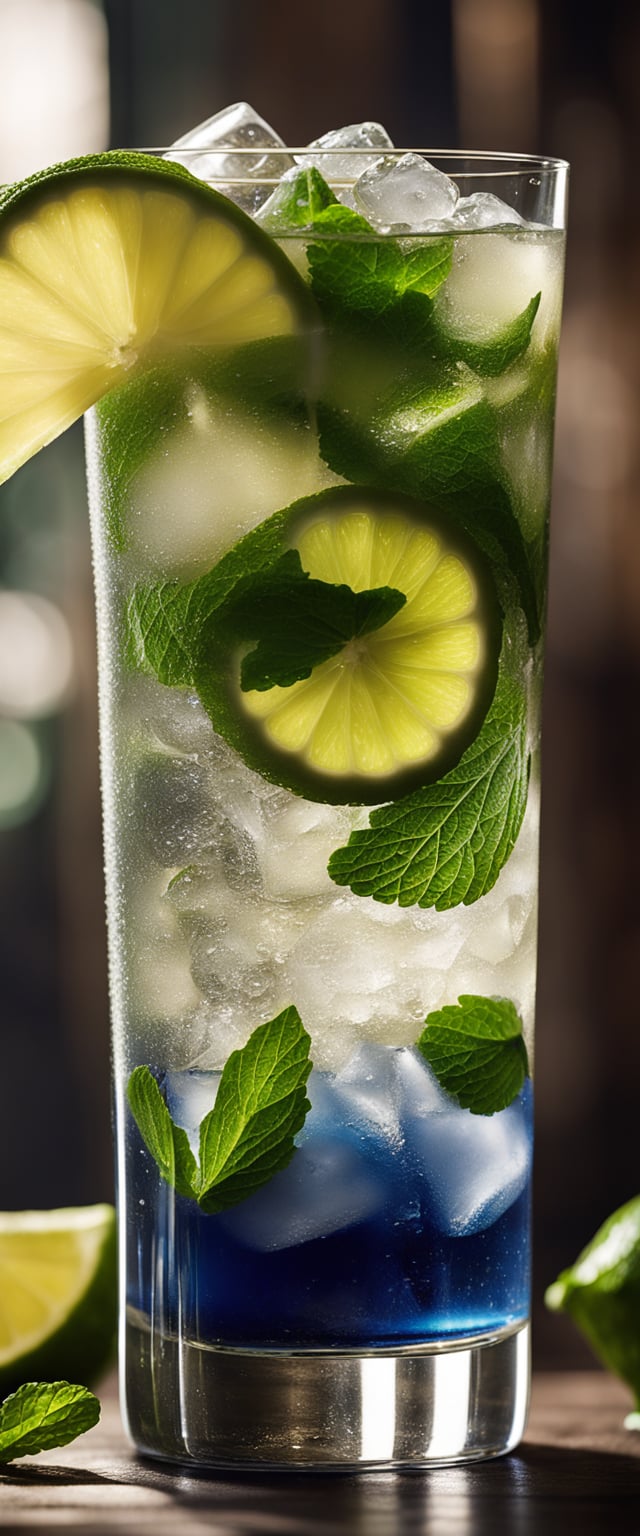
EU Regulations on Alcohol-Free Drinks: A Comprehensive Guide

The world of drinks the phrase “alcohol-free” is gaining huge traction. A growing number of consumers are selecting non-alcoholic drinks for numerous reasons, including the health of their families, personal preferences along with lifestyle and personal preferences. Since the market for non-alcoholic beverages is increasing in the same way, so does the requirement for clear guidelines to govern these products.


Understanding the significance of EU Regulations


Why You Need to Learn

Before we go into the intricacies of EU rules governing alcohol-free drinks It’s important to know the importance of this information. No matter if you’re looking for reliable products or a manufacturer eager for compliance Here’s the reason EU regulations on alcohol-free beverages are important:

The increasing popularity of alcohol-free Beverages

The alcohol-free drinks are now beyond the realm of soda and water. Nowadays, they cover an array of drinks from alcohol-free brews to exquisite mocktails as well as spirits that are alcohol free. As consumers seek more healthy and varied beverage options, the demands for these products are growing.

Health and Safety Concerns

Consumers rightfully expect that the items they consume adhere to strict health and safety standards. Regulations ensure that alcohol-free drinks are produced, labeled, and advertised in ways that are geared towards consumer well-being. They also prevent misleading claims and protect individuals who should avoid alcohol for health reasons.

In the industry, there is a need for growth and innovation. Growth and Innovation

The alcohol-free drinks industry is evolving rapidly, with innovations that challenge conventional norms. The producers are creating unique flavours and textures that are similar to alcohol. To help support the growth of this industry and to ensure trust among consumers it is imperative to have a comprehensive regulatory framework.

Now that you are aware of the significance of EU rules on alcohol-free drink, let’s examine the main regulations that govern these products in the following section.


H2: The most important EU Regulations for Alcohol-Free Drinks

In the next segment, we’ll delve into the heart of matter, breaking down the crucial regulations that define the industry of alcohol-free drinks in the European Union. From the maximum allowed alcohol content to labeling regulations and more, we’ll break down the rules that producers, distributors as well as consumers need to be aware.


Maximizing Safety and Consumer Confidence

In the course of this regulation-related journey, remember that these rules aren’t simple bureaucratic red tape. They serve an important purpose to ensure that alcohol-free beverages meet specific quality standards, provide consumers with accurate information as well as contribute to an improved and safer beverage environment.

Now, let’s explore the complexity of EU regulations on alcohol-free drinks in the next section.

[Next: Section 2: The most important EU Regulations for Alcohol-Free Drinks]

Leading the Non-Alcoholic Trend: Order Direct from Swedish Distillers for Bulk Excellence!

The key EU Regulations for Alcohol-Free Drinks

To better understand the realm of alcohol-free drinks and beverages within the European Union, we now look into what is matteraEUR”the regulations. These regulations are the backbone guaranteeing that alcohol-free beverages are safe, transparent and have the right guidelines for quality. Let’s embark on this regulated trip, examining the principal EU laws governing alcohol-free drinks.


Maximum Permitted Alcohol Content


Why it is Important

The definition of “alcohol-free” depends on the acceptable alcohol content. In the EU, for a beverage to be labeled as “alcohol-free,” it must not contain more than 0.5% the volumetric amount of alcohol (ABV). This minimum threshold is crucial in ensuring the safety of consumers, specifically those who are trying to steer clear of alcohol, whether for health, dietary, or for personal reasons.


The Labeling Requirements


Clarity and Transparency

EU regulations mandate that labels of alcohol-free drinks must clearly state the amount of alcohol they contain. This isn’t just an issue of transparency, but is essential for those who depend on this information. The label should prominently display the “alcohol-free” designation and the exact ABV, ensuring that consumers can make educated choices.


ingredients and additives


Quality and Quality and

To guarantee the quality and integrity of alcohol-free drinks EU regulations provide strict guidelines for ingredients and additives. These regulations ensure it is only legal substances are used in the production of these drinks. The focus is on preserving the integrity of the product, whether it’s an alcohol-free wine, beer, or spirits.


Health Claims and Advertising


Preventing misleading claims

EU regulations also govern the use of health claims in advertising and marketing for alcohol-free beverages. It is intended to guard against misinformation that could lead to false perceptions of the health benefits associated with drinking such beverages. Producers must adhere to guidelines that ensure truth and integrity regarding their promotional activities.


Qualitative Standards and Safety Inspections


Rigorous Testing and Quality Control

Another key aspect of EU laws is implementation of quality standards as well as safety examinations. Producers are obligated to conduct rigorous testing and quality control measures to make sure that their alcohol-free drinks meet established standards. This is a requirement for microbiological safety, hygiene, and overall product quality.


The Compliance process and Certification

Now that we’ve gained an understanding of the key EU rules for alcohol-free beverages, you may be wondering which distributors and producers are responsible for conformity with these guidelines. The procedure of ensuring compliance is a fundamental part of getting these drinks on the market while adhering to EU regulations.


H2: Finding Compliance

Compliance can be a complicated task, yet it is vital for the producers and distributors to ensure that their alcohol-free beverages meet EU standards. Here are the key steps involved in the conformity procedure:

Testing and Analysis

Producers must conduct extensive testing and analysis of their non-alcoholic drinks to ensure they meet the defined criteria. This includes alcohol content verification tests for ingredients, as well as quality assessments.

Documentation and Record-Keeping

A thorough documentation is an essential element of compliance. Producers need to maintain records of testing, ingredient sourcing and the production process. These records serve as evidence that they are in compliance. They can also be checked by governmental authorities.

Work with Regulatory Authorities

Distributors and producers often work with regulatory authorities as a way to guarantee compliance. This includes getting the necessary certifications and approvals. These are contingent on the specific kind of alcohol-free drink.

Common Challenges and how to Surmonte These

It can be challenging to comply, especially for small producers or new to the business. Common obstacles include navigating various regulatory requirements, managing testing costs, and keeping up with ever-changing rules. Achieving expert guidance and staying updated on regulatory changes can be the key to overcoming these difficulties.

In our next section in the next section, we’ll discuss the effects of these regulations on the consumer which will help consumers make more informed choices when choosing drinks that are alcohol-free.

[Next: Section 3: The impact on consumers]

zero

Influence on Consumers In the process of navigating EU Regulations on Alcohol-Free Drinks

As we continue our journey through the realm of alcohol-free drinks and the regulations that govern them in the European Union, we come to a pivotal point of considerationaEUR”the impact of these regulations on consumers. It’s crucial for consumers to know how these regulations affect decisions and the rights of consumers with regards to choosing alcohol-free drinks.


What Should Consumers Do about EU Regulations on Alcohol-Free Drinks?

Before we get into the details prior to examining the specifics, we must address the fundamental question: Why consumers should be concerned about EU regulations on alcohol-free drinking? Here are the top reasons:

  1. Security and Trust: Consumers deserve to enjoy safe and trustworthy products. Regulations ensure that drinks without alcohol conform to specific safety and quality standards, which reduces the chance of health issues or misrepresentation.

  2. Information-based Choices Consumers are empowered by regulations to make informed choices. Through understanding the requirements for labeling and information about the effects of health products, shoppers are able pick products that match their preferences and diet requirements.

  3. Preventing misleading claims: Regulations safeguard against misleading health claims and false advertising by preventing consumers from falling prey to deceitful marketing techniques.

Let’s now dive into the ways EU regulations affect consumers:


Literacy Labels and Debate Claims


The clarity of labeling

One of the most obvious way consumers are affected EU regulations is through product labeling. When you pick up an alcohol-free drink within the EU the label should give clear and accurate information. Here’s the information you should look for:

  • Alcohol Content: It is a requirement of the regulations that labeling indicate the exact alcohol content typically expressed in Alcohol by Volume (ABV). This permits consumers to ensure it is genuinely free of alcohol, thereby meeting the EU’s 0.5% ABV threshold.

  • “Alcohol-Free” Description: The labels should show the “alcohol-free” label, so that consumers will be able to identify the products.

  • Intake Lists Regulations require comprehensive list of ingredients, assisting consumers with dietary restrictions or allergies make informed choices.

  • health claims: Careful with statements on health claims printed on labels. Regulations protect against misleading claims, so consumers can trust that the health benefits associated with the product are accurately represented.


In the event of a non-compliance, report it.


Consumer Rights and Accountability

Consumers also play an important role in upholding EU regulations regarding alcohol-free drinks. If the product’s label is incorrect or you believe that the product is in any violations to the law, consumers have the right to declare it. The reporting of non-compliance is helpful in maintaining respect for the market, and holds the makers accountable.


Contents for Consumers

Alongside reporting non-compliance Consumers may also consult different sources for help:

  • consumers Associations: Many consumer associations monitor compliance with products and offer information and assistance.

  • Regulatory Authorities: You can contact your regional or national regulatory authority for guidance and to raise concerns.

  • online communities: Being active in the online forums and communities can give you tips and insights from other consumers who share your interests.

Understanding how EU regulations affect consumers allows consumers to make educated choices and improve the integrity of the alcohol-free drinks market. In the next section we’ll examine the upcoming trends that are emerging in this changing industry and the things consumers can be prepared for in the realm of alcohol-free drinks.

[Next: Section 4: Future Trends and Conclusion

nonalcoholic

Future trends regarding the World of Alcohol-Free Drinks

While we explore the details of EU guidelines on alcohol-free drinks and the effect they have on consumers they must also be aware of the future developments in this ever-changing environment. The world of alcohol-free drinks is experiencing rapid growth and technological innovation due to changing consumption habits and health-conscious choices.


Why Future Trends Matter

Understanding the trends of the future isn’t only a matter of curiosityaEUR”it’s important for producers as well as consumers. For producers, staying ahead of the latest trends means addressing changing consumer demands and regulatory changes. To consumers, this means being able to access an ever-growing array of exciting and health-conscious drinks.


1. The Variety of Products Increasing


Over the Basics

Drinks that are alcohol free beverages isn’t just limited to traditional options such as soda and sparkling water. Producers are constantly expanding their product ranges to offer consumers a diverse variety of options, such as:

  • Alcohol Free Beer These products have grown more sophisticated, with flavors and aromas that replicate their alcohol-based counterparts.

  • Wein Alternatives A wine that is alcohol free has been growing in popularity, allowing consumers the pleasure and taste of wine without the alcohol content.

  • Alcohol-Free Spirits: Mocktails and alcohol-free spirits are currently on the rise, which allows consumers to taste complex flavors and cocktails without the alcohol.


2. Innovative Flavors and Ingredients


Modifying Complexity

Producers are investing in the development of research and development for drinks that are alcohol-free and mimic the rich flavor and experience from alcoholic drinks. It is also experimenting with herbaceous plants, botanicals, as well as spices to produce distinct profiles.

  • Botanical Infusions: Gin that is alcohol-free as well as botanical spirits have been incorporating many different plants, resulting in unique taste experiences.

  • Distillation Techniques: Certain producers employ distillation methods to extract flavors using alcohol and produce sophisticated alcohol-free spirits.


3. Health and Wellness Focus


Aligning with Consumer Values

The demand from consumers for healthier products is driving producers to focus on health and wellness aspects. This means highlighting nutrition details, organic ingredients and the benefits of wellness.

  • Low Calories and Sugar: A lot of alcohol-free drinks are made to be less sugar and calories, catering to the health-conscious consumer.

  • Functional Ingredients: Product manufacturers are infusing active ingredients such as vitamin A, adaptogens and antioxidants to enhance the wellness impact of the products they sell.


4. Sustainable and eco-friendly practices


Meeting Environmental Concerns

Sustainability is becoming a major concern and manufacturers are responding with eco-friendly practices. This includes sustainable sourcing of materials, environmentally conscious packaging, as well as reducing carbon footprints.

  • recycleable packaging A lot of alcohol-free products are opting for recyclable and biodegradable packages to minimize environmental impact.

  • Ethical Sourcing: Producers are becoming more transparent about where they source their ingredients and making sure they comply with ethical and sustainable standards.


5. Educational and Consumer Empowerment


Informed Choices

As the alcohol-free beverage landscape changes, education for consumers becomes paramount. The producers are investing resources to help consumers understand their products, including:

  • Online Resource: Sites as well as social networks provide information on the ingredients in products, their the benefits of health, as well as serving suggestions.

  • Tasting events Many producers offer tastings and workshops in order to help consumers understand how to have fun with alcohol-free drinks the maximum.

Understanding the future trends helps consumers to make choices that align with their values and preferences. In our next article this article, we’ll highlight the main takeaways and explore how the world of alcohol-free beverages continues to shape consumer options and experience.

[Next: Section 5: Summary and Looking for the Future

Summary and Looking Forward: Finding the EU Regulations on Alcohol-Free Drinks

As we wrap up our comprehensive exploration of EU regulations pertaining to alcohol-free drinks and their sweeping impact for consumers and the business It’s vital to review the key findings from each of the sections and look forward to the next chapter for this evolving landscape.


Section 1: Learning about EU Regulations

In the initial part of our travels, we delved into the fundamentals of EU regulations governing alcohol-free beverages. The key points to take away:

  • EU Regulations Ensure Safety: These regulations are developed to ensure the purity and quality of alcohol-free drinks, ensuring that consumers can drink these drinks with no the risk of health problems.

  • The clarity of the labeling Consumers can rely on clear and accurate labeling to differentiate alcohol-free drinks and understand their ingredients and health claims.

  • The Consumer Right: The consumer has the right to make a complaint about any violation of regulations, helping to create a transparent and accountable market.


2. Production and Compliance

The second section we looked at the manufacturing and aspect of compliance for alcohol-free drinks:

  • Producing Standards All producers are expected to conform to strict guidelines, which include the 0.5 percent ABV limit for alcohol-free classification.

  • The testing process and the certification The products undergo rigorous tests to make sure they are in compliance with standards of safety.

  • Essentiality of Compliance: Conformity with regulations is vital to avoid penalties as well as maintain trust for consumers.


Section 3: Implications for Producers and Market

Our third section focuses on the effects of regulations on the marketplace and producers:

  • Markt Growth the demand for alcohol-free drinks is currently on the increasing due to health conscious consumers and the development of new products.

  • Innovation and Competition: Producers are continually coming up with new ideas to satisfy consumer demands leading to a diverse assortment of alcohol-free choices.


Section 4: Future Trends

In the concluding section, we explored the new trends creating the world of non-alcoholic drinks:

  • Expanding Product Variety: Consumers can expect to find a wider selection of alcohol-free drinks, as well as sophisticated alternatives to traditional favorites.

  • Innovations in Flavors and Ingredients: The producers are investing in the replication of complex flavors, which enhances the experience of drinking.

  • Health and Wellness Goal: Health-conscious consumers will find products that align with their diet and fitness goals.


Section 5″Summary and Looking Forward”

In this section, we’ve analyzed the crucial insights we uncovered from our study of EU regulations on alcohol-free drinks. These insights empower both producers and consumers to navigate this evolving landscape effectively.

In the future, the world of alcohol-free beverages is expected to continue growing and innovation. There is a constantly growing selection of alternatives that appeal to their varied tastes, values, and preferences. Producers, on the other hand, have to be attentive with regulations while embracing opportunities that are offered by this vibrant market.

In conclusion, knowing EU guidelines on alcohol-free drinks isn’t only a matter to be in compliance but also ensuring the safety as well as transparency and choice that consumers have right to. With a bright future the market for alcohol-free drink allows consumers to explore how they can enjoy, savor, or enjoy a healthier and more flavorful drinking experience.

Thank you for joining us on this journey through this world filled with alcohol-free drinks and EU rules. Looking forward to a year filled of exciting and responsible drink choices.


[End of Series [End of Series