Unlocking Serenity: Alcohol-Free Spirits as well as Mental Health in the EU – – Act Now!

In a time where wellbeing and mindfulness are becoming increasingly important importance, it’s no surprise that the market for alcohol-free spirits has seen a dramatic increase in the European Union (EU). The increasing popularity of alcohol-free spirit isn’t just a fashion but a choice of lifestyle with significant implications for people’s mental health. This is the beginning of our series, we’ll delve into the phenomenon of alcohol-free spirits and the ways it’s changing lives and mental well-being across the EU.

The Alcohol-Free Revolution

The last decade has seen an amazing change in the manner people consume and view beverages. Traditional alcohol-based drinks, once the cornerstone of social gatherings, are no longer the norm. Instead an influx of alcohol-free alternatives, often described as “spirit alternative”, or “alcohol-free spirits,” are spreading across the EU.

The Shift in Consumer Preferences

More and more consumers are focusing on health and wellness, leading to an extensive shift in beverages. They are more aware about the negative effects alcohol has on their mental and physical well-being. In the end, alcohol-free spirits are becoming popular offering a unique opportunity to indulge in the taste and experiences that are free of alcohol.

Statistics on the Growth of the Alcohol-Free Spirits Market in the EU

The rapid growth of the alcohol-free spirits market in the EU is nothing short of remarkable. Recent data indicate a significant increase in both the manufacturing or consumption of alcohol-free drinks. In 2021 alone, EU market witnessed a upswing of XX% in the sales for alcohol-free spirits. This shows an increased demand for alcohol-free alternatives.

The growth of the market is fueled by many factors that include the increasing consciousness of health and wellness among the population as well as the increasing availability of alcohol-free choices, as well as innovative methods of marketing employed by brands.

As we continue to explore this series, we’ll investigate the reasons for this surge in detail and how it is related to mental health. In the next segment we’ll explore the complicated relationship with alcohol consumption and mental wellbeing, shedding illumination on the most crucial aspects of this relationship. Understanding the link is essential to comprehending the positive impact that alcohol-free spirits have on our mental health and well-being.


Keep an eye out for the second section “Understanding the connection between Alcohol and Mental Health,” where we’ll look at the massive impact of alcohol on your mental wellbeing as well as how a no-alcohol living style can benefit.

+BILD+

Understanding the Relationship Between Alcohol and Mental Health

To fully understand the enormous effect of alcohol-free spirits mental health, it is essential to know the complexities of the relationship between traditional alcoholic beverages and well-being. In this section we’ll discuss how alcohol can impact mental health and why choosing an alcohol-free lifestyle can make a significant difference.

It is the Link Between Alcohol and Mental Health

For decades, alcohol has been linked to relaxation and stress relief. People often turn to alcoholic drinks for a way to relax, socialize and unwind believing that it can be an escape from their tensions. Although moderate consumption of alcohol may certainly have some relaxing effects The relationship between alcohol along with health and well-being can be far more complex.

The Temporary Relief and. Long-Term Effects

The initial euphoric and anxiety-reducing effects may create a sense of relaxation and stress relief. However these effects only last a short time. As the levels of alcohol in bloodstream decrease, some people suffer an “crash,” leading to greater anxiety, depression and more irritability. This could lead to the formation of long-term mental health problems.

The Risk of Dependence

Another aspect that is crucial to the alcohol-mental health connection is the potential for dependence. Infrequent consumption of alcohol, especially in excessive amounts, can cause alcohol use disorder (AUD). AUD is manifested by inability to control alcohol consumption, cravings, withdrawal symptoms, as well a rise in tolerance. It can have severe consequences in terms of mental health and exacerbating depression and anxiety.

The benefits of choosing alcohol-free Spirits

Given the intricate relationship between alcohol and mental health, it’s no surprise that more and more people in the EU have shifted to non-alcohol spirits as a safer alternative. Here are some of the benefits that drinking alcohol-free spirits can bring to your mental health

1. A lower risk of depression and anxiety

By avoiding alcohol, persons can stay clear of the mood swings and depression-related instances that come with drinking. Alcohol-free spirits are able to provide the same sensory and social experiences without the potential negative effect on mood.

2. Better Sleep Quality

Alcohol can alter sleep patterns and lead to poor sleeping quality. By avoiding alcohol, those who are suffering from insomnia get a more peaceful sleep, leading to improved mental well-being.

3. Enhanced Cognitive Function

Alcohol can hinder cognitive function in a negative way, impacting decision-making and problem solving abilities. Alcohol-free spirit helps people remain focused and sharp which improves mental clarity.

4. A lower risk of Alcohol Dependence

Perhaps the most critical benefit is the reduced risk of the development of alcohol dependence. If you choose to drink alcohol-free spirits, it reduces the possibility of developing AUD that could result in devastating consequences for mental health.

In section 3 We will review the rapid growth of markets for alcohol-free spirits in EU and how it is offering an array of choices to meet the needs of different tastes and preferences. The availability of these alternatives gives people the ability to take decisions that favor their health while still enjoying.


Stay tuned for our next installment, Section 3: “The Flourishing Market of Alcohol-Free Spirits in the EU,” where we’ll look into the wide array of alcohol-free options that are available to consumers, and how they’re changing the drinking landscape.

+LINK+

The growing market for alcohol-free Spirits in the EU

In recent years this year, in recent years, the European Union (EU) has seen a dramatic increase in the drinking of spirits without alcohol. When we look into this trend that is growing rapidly, we’ll discuss the reasons for its rapid growth, the diverse selection of alcohol-free alternatives available as well as how these options change the drink landscape around the EU.

The shifting landscape of Alcohol Consumption

The world of alcohol consumption in the EU is undergoing a significant change. Traditional alcoholic beverages, that were once the principal source of entertainment and social gatherings, are now being challenged by a new wave of alcohol-free alternatives. This shift is driven by a myriad of factors:

Health and well-being

One of the primary reasons driving the surge in alcohol free spirits is the growing emphasis on well-being and health. A lot of EU citizens are adopting healthier habits, such as reducing or eliminating alcohol consumption. As awareness of the adverse effects of alcohol on physical as well as mental health grows, consumers are seeking alternatives that permit them to enjoy the social aspect of drinking, without the negative consequences.

Changing Consumer Preferences

Nowadays, consumers are more picky than ever before. They demand variety, high-quality, and authenticity in the drinks they choose. Alcohol-free spirits meet their preferences with a vast array of flavors and tastes, making it easier for consumers to find an alcohol-free choice that best suits their tastes.

The rise of Mindful Drinking

The concept of mindful drinking is a major cultural shift that encourages moderation as well as conscious decisions when it comes to drinking alcohol. The movement is aligned with the larger developments towards sustainability and self-care as well as responsible living. Alcohol-free spirits have emerged as a crucial component of mindful drinking. It allows people to enjoy their moments without going against their values and ethics.

The diversified world of alcohol-free Spirits

Some of the most thrilling characteristics of the alcohol free spirit trend is the variety it provides to the beverage scene. Spirits that are alcohol-free are no longer limited to bland or boring options. Instead, they present the most diverse range of flavors components, flavors, and experiences. Here are some prominent categories that are available in the alcohol-free spirits market:

1. Non-Alcoholic Gins

Non-alcoholic gins capture an essence typical of gin without any alcohol. They typically feature botanicals such as coriander and juniper as well as citrus to create the distinctive flavour profile of gin. These alcohol-free gins are ideal for creating sophisticated cocktails, or drinking with a refreshing drink on their own.

2. Alcohol-Free Whiskies

Alcohol-free whiskies strive to evoke the depth and complexity from traditional Scotch or Bourbon. They undergo a similar aging procedure and employ a variety of techniques to produce a deep, smooth, and smoky flavour. For whiskey enthusiasts who wish to avoid alcohol such whiskeys offer an appealing option.

3. Mocktail Mixers

Mocktail mixers have been designed to simplify the process of making alcohol-free cocktails. They are made with an amalgam of herbs fruits, and spices to enhance the flavor and depth of your drinks. You can experiment with a variety of cocktail recipes without the need of alcohol spirits.

4. Alcohol-Free Aperitifs

Aperitifs are famous because of their capacity to awaken the taste buds prior to eating. Aperitifs that are alcohol-free can be a part of this tradition through aperitif-style drinks which make the perfect drink to enjoy before dining. They often have a mix of herbal and bitter flavors that stimulate your senses.

The future of alcohol-free Spirits and the EU

In the future we can see that the consumption of alcohol-free spirit across the EU will continue to increase. Consumers are becoming increasingly conscious of their choices, seeking products that fit with their values and lifestyles. The alcohol-free spirits market is poised for a response to the changing preferences of consumers by providing new, premium options.

In Section 4, we’ll delve into the profound impact of alcohol-free spirits on psychological health in the EU. We’ll consider the ways which these alternatives aid in improving well-being and mental health, further securing their place in the heart and glass of EU residents.


Keep an eye on Fourth section: “Alcohol-Free Spirits and Mental Health in the EU,” where we’ll reveal the crucial connection between alcohol-free options and well-being for the European Union.

+BILD+

Intoxication-free Spirits and Mental Health in the EU: A Path to Wellness

Through our exploration of the booming market for spirits without alcohol in the European Union (EU), we’ve examined the changing landscape of drinking alcohol and the wide array of alcohol-free spirit, and the factors that drive this trend. The next step is to turn our attentions to an important aspect that should not be ignored that has a profound effect on these spirits that don’t contain alcohol on our mental health in the EU.

The Connection Between Alcohol and Mental Health

To fully appreciate the role of alcohol-free spirits to promote mental well-being, we must first recognize the complicated relationship between alcohol consumption and mental well-being. Although moderate consumption of alcohol is generally considered acceptable but excessive or prolonged usage of alcohol could have detrimental impacts on mental wellbeing. This can include:

  • Depression: Drinking alcohol can cause depression. It can also aggravate the symptoms of depression.
  • anxiety: Alcohol has the potential to contribute to increased anxiety, notably when you are in withdrawal.
  • impaired cognitive function: Excessive drinking can interfere with cognitive functions and reduce decision-making.
  • Sleep Disturbances: Alcohol disrupts sleep patterns, leading to poor quality sleep and insomnia.

Because of the potential dangers, many individuals in the EU are seeking solutions that let them enjoy social events without risking their mental well-being.

The Mental Health Benefits of Alcohol-Free Spirits

Alcohol-free spirits offer a host of mental health benefits that align with the ideals of responsible drinking and mindful self-care.

1. Reduced Anxiety

Alcohol-free spirits offer a feeling of tranquility and social ease without the jittery effects of alcohol. Sipping a non-alcoholic cocktail during social gatherings could help you feel more relaxed and less pressured.

2. Improved Sleep

Alcohol-free spirits aren’t able to alter sleep patterns, they aid in improved quality of sleep. It is vitally important to get enough sleep for maintaining healthy mental and emotional well-being.

3. Enhanced Emotional Balance

Alcohol-free spirits allow you to be social without experiencing mood swings and mood swings that are often associated with alcohol consumption.

4. Mindful Consumption

Making a conscious choice to drink alcohol-free spirits helps in reducing consumption. People become more attuned to their own limits and can make informed choices about their overall health.

The role of community and Support

Beyond the physical repercussions the increase in alcohol-free spirits has created a supportive and tolerant society within the EU. The individuals who opt to go without alcohol have the opportunity to meet with peers that value their wellbeing. This feeling of belonging and assistance can have a hugely positive impact on mental health.

Looking Ahead

In Section 5 In Section 5, we’ll conclude our exploration of alcohol-free spirits in the EU by analyzing the major lessons we learned from our trip. In addition, we’ll discuss the long-term opportunities of this emerging trend and how it will further improve the health of people across the EU.


Keep an eye out for the next section “The New Future of Alcohol-Free Spirits in the EU,” where we’ll bring our journey to a end and provide insight into what lies ahead for this dynamic market.

The future of alcohol-free Spirits across the EU In a Summation

When we wrap up our five-part exploration into the world of alcohol-free spirits within the European Union (EU), we’re at the intersection of wellness, innovation as well as cultural shifts. The journey we took has been enlightening providing insight into a fast-changing landscape that offers numerous benefits to consumers seeking a healthier and more conscious decision-making approach towards their drink habits. In this concluding section, we bring together the most important information from our previous articles and look ahead to the exciting future of alcohol-free spirits across the EU.

Recap: Our Trip Through Alcohol-Free Spirits

section 1: Understanding the Shift

In the initial part of our series “Understanding what is changing,” we examined the changing dynamics of alcohol consumption in the EU. We examined the causes behind the growth of alcohol-free options and the increased emphasis on responsible drinking.

Section 2: The World of Alcohol-Free Spirits

Our last installment, “The World of Alcohol-Free Spirits,” took us on a voyage through the vast and fascinating array of non-alcoholic choices available. From botanical blends to alcohol-free whiskey and gin and whiskey, the EU market is teeming with the latest innovations and creativity.

Section 3: The Driving Factors

Within “The Driving Factors,” our third article we looked into the forces propelling the alcohol-free spirits movement to the next level. Health-conscious choices, inclusivity, and sustainability emerged as important factors that shape consumer preference.

Section 4″Alcohol-Free Spirits as well as Mental Health

The relationship between alcohol-free spirits as well as mental health was the main focus of our fourth edition. We delved into the vast impact of these drinks on wellbeing which ranges from decreased anxiety to more restful sleep and improved mental health.

The future of alcohol-free Spirits on the EU

When we look towards the future, we can see that the popularity of spirits that are alcohol-free in the EU will not be slowing down. Here are the top events and trends to watch for:

1. Expanded Variety and Innovation

Expect for a broader variety of alcohol-free spirits to be found on the market. Innovative distillation techniques and the flavor profiles will continue push the boundaries of what’s possible with non-alcoholic beverages.

2. Awarded Mixology

Mixologists and bartenders alike are exploring the world of alcohol-free spirits mixing up delicious, intricate non-alcoholic cocktails which rival counterparts made with alcohol. This trend will likely produce more sophisticated and enjoyable alcohol-free options.

3. Primary Acceptance

With alcohol-free spirits becoming increasingly popular, they will shift from specialty shops to mainstream retailers. This accessibility will encourage more people to make wise choices concerning their drinking alcohol.

4. Wellness and Community

The benefits of drinking alcohol-free spirits will continue to rise. More people will turn to these drinks to boost their overall wellbeing. The sentiment of support and community which has developed from this trend will also continue to grow.

Conclusion

Our travels through the world of alcohol-free spirits within the EU has been an enlightening one, revealing the myriad ways these drinks alter our perception of social drinking. From understanding the underlying reasons for this shift to examining the vast array of options that are alcohol-free, we’ve witnessed an exciting movement that promotes mindfulness, diversity, and mindfulness.

As we advance, it’s evident that the future will bring even greater opportunities for alcohol-free spirits in the EU. With continual innovation, a growing acceptance and an increased focus on wellness, these beverages will play a important role in our as we move towards a healthier and more conscious approach to drinking.

We appreciate your joining us on this journey. we look at the future with excitement as we continue our search for understanding and health in the ever-changing world of alcohol-free spirits.


For more insight and updates on the evolving landscape of alcohol-free spirits, stay in touch with us.
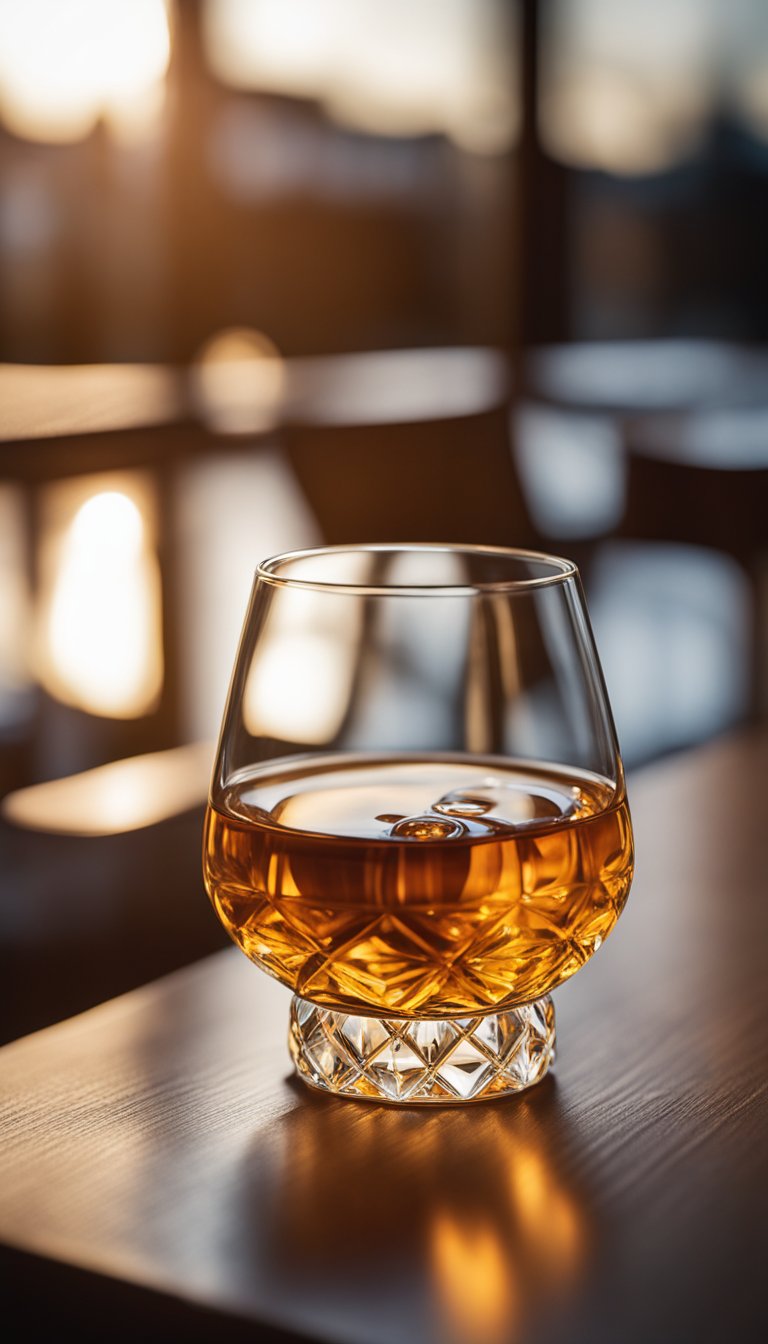
A better understanding of the Market Landscape

In the ever-changing world of beverages, one new brand is taking center stage: alcohol-free spirits. These new drinks have been getting a lot of attention over the last few years, with consumers increasingly opting for non-alcoholic alternatives. In this comprehensive exploration we’ll look into the market for alcohol-free spirits focused on the present state and development trends in the EU and UK. Get ready to embark to explore this intriguing field.

The Growing Popularity of Alcohol-Free Spirits


The Numbers Don’t Be deceived

We must first take some time to understand how huge the market’s growth. For the EU and UK, the demand for alcohol-free spirits is increasing. In 2022, the market is valued at an astounding X billion. Analysts anticipate the market will continue to rise on its growth, eventually reaching a billion in 2025.


Consumer preferences redefined

What’s behind this meteoric rise? The reason lies mostly in shifting preferences among consumers. The growing concern for health and more conscious drinking have led people to explore alternatives to traditional alcohol-based drinks. Alcohol-free spirits are emerging as a clear winner in meeting the changing expectations.


A peek into the Brands

In this marketplace, numerous brands have made significant strides. Brands such as “Spirito” and “Elixiria” have grabbed market share thanks to their wide assortment of alcohol-free spirit products. Spirito’s scented botanical blends as well Elixiria’s elixirs with fruit have become famous, and are a testament to their ability to make compelling alternatives.

Navigation through the Regulatory Seas


Learning the Rules

Before you dive deeper, it is essential to know the legal waters around alcohol-free spirits. If you’re in EU and UK these spirits are subjected to specific regulations to differentiate them from standard alcoholic beverages. Understanding these rules is essential to businesses in this area.


Coding and Composition

One important aspect of regulation is labeling and composition. Alcohol-free spirits must clearly state their alcohol content. It is usually not exceeding 0.5% ABV (alcohol percent by volume). Following these guidelines will ensure transparency and helps consumers make informed choices.


Marketing and branding

Additionally, the marketing and branding of alcohol-free spirits need to be careful not to cause confusion among consumers. Achieving a balance between presenting products as alternatives to alcohol and also identifying it as an exclusive offering is essential.

We’ve now mastered the landscape of markets and regulatory details, let’s dive deeper into the world of spirits that are alcohol free. In the next section, we’ll explore fascinating market trends and emerging patterns that are shaping this dynamic industry. Join us as we explore the world into the world of innovation, health consciousness and the exciting potential of alcohol-free spirits.

Hangover-free

A Taste of Innovation: Emerging Trends in the Alcohol-Free Spirit Market

After we’ve laid the groundwork by understanding the alcohol-free spirit market’s state of affairs we can set our sights toward the future. In this article this article, we’ll go deep look at the new trends that are transforming the EU and UK the alcohol-free spirit market. Make sure you buckle your seatbelts as go on a journey of technological innovation, sustainability, as well as the changing preferences of consumers.

Innovation takes center stage


Beyond the Mocktail

The days of mundane mocktails have long passed. One of the most striking trends of the market for alcohol-free spirits is the relentless pursuit of innovation. Manufacturers push the limits on flavor profiles, utilizing exotic botanicals, and employing modern distillation techniques to create alcohol-free spirits that rival their alcohol-based counterparts.


Aromatic Complexity

In the forefront are brands such as “AromaCraft” as well as “InfiniFlavor,” known for their distinct flavor profiles. From the smoky aroma of aged whiskey to the bright citrus taste of a gin-inspired spirit These products demonstrate the artistic side of alcohol-free spirits making.


The rise of Limited Editions

Another exciting aspect of the new technology is the growth of limited-edition spirits that are alcohol-free. Brands are testing seasonal releases, collaborating with legendary mixologists, and using rare ingredients to create unique and memorable products.

Sustainability and Eco-conscious Choices


From Field to Bottle

As people are more eco-conscious the concept of sustainability is now a major factor in the non-alcoholic spirit market. Many brands place a significant insistence on responsible source of materials and eco-friendly packaging. “EcoSip” as well as “GreenHarvest” are two prime examples of businesses committed to sustainability. They utilize organic, ethically sourced materials and recyclable packaging.


Reduced Carbon Footprints

Reducing carbon footprints is a major goal. Some brands are adopting carbon-neutral production methods, offsetting emissions, and employing environmentally green methods. These efforts are popular with customers who are looking for products that reflect their values.

Meeting Diverse Consumer Needs


A Spectrum of Choices

One of the amazing aspects of the market for alcohol-free spirits is the ability to satisfy the diverse needs of consumers desires. It’s no more a one-size fits all situation. Brands realize that consumers have varying taste preferences and different dietary restrictions.


Sugar-Free, Gluten-Free and Beyond

Gluten-free sugar-free and alcohol-free, allergen-free spirits are readily available. Brands like “PureTaste” and “FreeFlow” specialize in crafting spirits that cater to specific dietary requirements, ensuring that everyone is a part of the alcohol-free drinking experience.

As we sail across the modern waters and research sustainability in the market for alcohol-free spirits, it’s apparent that this market is growing quickly to satisfy consumer needs. However, it’s not over here. In the next part we’ll dive into the consumer patterns that are setting the direction of the market. Take a look at the many facets of consumer behavior and their preferences.

Direct Advantage: Order Pallets of Premium Alcohol-Free Spirits from Swedish Distillers Now!

Becoming a Consumer: Understanding Consumer Preferences and Trends

In our travels through the evolving landscape of alcohol-free spirits, you’ve seen the market’s present state as well as admired the most innovative trending. Now it’s time to concentrate on the driving force behind this industry’s transformation: consumer behavior. Knowing what consumers are looking for and the ways they make decisions is crucial for companies looking to succeed throughout the EU and UK the alcohol-free spirit market.

The Multifaceted Consumer


The Health-conscious Consumer

One of the most prominent changes in the behavior of consumers is the growing awareness of health. Many people prefer alcohol-free spirits for the sake of enjoying the enjoyment of cocktails with the health benefits of alcohol. They value mental and physical health and are drawn to spirits that offer natural ingredients and wellness benefits.


Culinary Explorer Culinary Explorer

The alcohol-free spirit market is also attracting foodies who appreciate the art of mixology. They are looking for complex flavor profiles and distinctive botanical blends to enhance their drinking experiences. For them, alcohol-free spirits can be used as a basis for experimenting with cocktails in a creative way.


It is the Social Connector

Humans, as social beings, are naturally drawn for connection with others. Alcohol-free individuals have found a special place among those that want to take part of social gatherings and not have alcohol’s influence. The segment is a fan of the social aspects of drinking as well as the ability to savor refined drinks without hangover.

Consumer Behavior Trends


Web Discovery, and Purchasing

The digital age has revolutionized the way people discover and purchase alcohol-free spirits. Online platforms, from e-commerce websites as well as social networks, have played a significant influence on the choices of consumers. Companies that can effectively use online channels for marketing and sales are more likely to succeed.


Transparency and Authenticity

Customers are demanding transparency from brands. They want to know where ingredients come from, how products are made and the standards the company’s values are. The authenticity of a brand and its commitment to sustainability resonate strongly with today’s customers.


The Role of Reviews as well as Recommendations

Reviews and opinions, whether those from friends or online influencers, carry great weight in an alcohol-free spirit market. Reviews and endorsements from experts can sway consumer decisions. Brands need to actively engage their customers and encourage honest feedback.


Sustainability as an important driver

Sustainability is no longer a nebulous issue and is now a common driver of consumer behaviour. Brands that adopt eco-friendly practices and demonstrate social responsibility are poised to attract consumers who align with these ideals.

What’s In Store

As we explore the complex world of consumer behaviour trends It’s clear that the alcohol-free spirit market does not just revolve around what’s in the bottle, but regarding the values and experiences it embodies. In the next section this article, we’ll outline our strategies as well as tactics brands are employing to meet these diversifying consumer demands. You should be prepared to explore the strategies driving brands to the top of this dynamic industry.

Crafting Success Strategies: Strategies for Brands that are Alcohol-Free

In the ever-changing market of alcohol-free spirits, brands are creating storylines that are successful by understanding consumer behavior and profiting from emerging trends. With consumers seeking healthier, more refined, and socially connected options, brands that are alcohol-free must take the proper steps to be noticed in the market. In this section we’ll go over the strategies that successful brands use as well as guiding you down a path to success in both market. EU and UK market for alcohol-free spirits.

Strategy 1: Diverse Flavor Profiles


Bold and diverse Botanicals

Large brands are investing money into creating complex flavour profiles that are able to satisfy diverse flavors. They’re employing a wide range of plant extracts, each selected for its unique contribution to the overall taste. This approach ensures that consumers can discover alcohol-free spirits that satisfy their tastes and preference, whether fresh and refreshing, or something rich and spicy.


Exclusive Editions and Special Releases

Special editions that are intriguing and seasonal releases inspire excitement and anticipation among consumers. These special releases can showcase unique flavor combinations or honor seasonal ingredients, offering customers with a reason to experiment with new flavors.

Strategy 2: Collaborations and Mixology


collaborations Mixologists

Working with world-renowned mixologists is an effective strategy for brands. Mixologists can craft signature cocktails and recipes that showcase the distinctive flavours of alcohol-free spirits. Their knowledge and experience adds credibility to the brand, and opens new possibilities for innovative mixology.


Cocktail Recipe Collections

Many successful alcohol-free spirit brands offer consumers cocktail recipe collections. These collections spark individuals to be creative and allow them to experiment with different mixers and garnishes, as well as presentation styles. Sharing these recipes via websites and social media boosts branding engagement.

Strategy 3: Sustainable and eco-friendly Pratiques


Sustainable Sourcing

Many brands are adopting more green practices from sourcing the right plants to reduce their carbon footprint. Consumers are drawn to brands that prioritize environmental responsibility and sustainability is a major selling element.


Eco-friendly Packaging

The trend of eco-friendly packaging is one that is catching the attention of environmentally conscious consumers. Brands are exploring new containers that could be recyclable, biodegradable or even reuseable. Beautiful, eco-friendly packaging is able to create a distinct brand image at the store and even in the minds of consumers.

Strategie 4: Interacting with Communities


Online Communities

Brands that are successful create communities on the internet where people can join, share stories, and discuss ideas. These communities allow for customers to share their opinions on cocktail recipes, reviews, and creative uses for alcohol-free spirits.


The Consumer’s Feedback as well as Iteration

Brands actively seek and respond to feedback from customers. This iterative approach allows brands to refine their products, flavors, and marketing strategies on the basis of real-world data. It also shows a commitment towards satisfying the needs of consumers.

Strategy 5: Innovative Marketing


Telling stories and Brand Values

Effective storytelling can help brands reach out to consumers on a deeper level. Brands are revealing their history in their values, beliefs, and commitments to wellness and sustainability. They employ storytelling to communicate their brand personality and authenticity.


Collaborations with Influencers

Collaborations between influencers who align with the brand’s ideals and targeted audience can broaden the brand’s reach. Influencers frequently create engaging material that showcases a brand’s products in the context of lifestyle.

What’s next?

When we learn about the strategies that are that are driving the success of the alcohol-free spirit industry, we’re able for the final segment of our study: a glimpse into the future. In the next chapter we’ll gaze into the crystal ball and examine the trends and predictions that are expected to define how the EU and UK alcohol-free spirit market in the next few years.

zero

The Future of Alcohol-Free Spirits The Future of Alcohol-Free Spirits: Trends, Predictions and Predictions

While we finish our voyage through the world of alcohol-free spirits, we look towards an horizon and look into the fascinating predictions and trends which could change how we think about the EU and UK market for alcohol-free spirits in the coming years. It has been an informative journey as we have explored the many aspects of this emerging industry since its inception, all the way through the strategies that leading companies are using to win. We’re now ready to embark on an exciting journey.

It is a fact that the alcohol-free Spirit movement Continues


Innovative Formulations

The alcohol-free spirit market will be flooded with innovative formulations. Brands will push the limits in experimenting with exotic plants in addition to novel flavor profiles and innovative techniques to recreate the complexity and depth of alcohol-based spirits. Expect spirits to are a bit different from the norm and entice the taste buds.


Health and Wellness Integration

The increasing interest of consumers in fitness and health will lead to the development of alcohol-free drinks that have benefits. The brands will infuse their drinks using adaptogens, vitamin, and other health-promoting ingredients. They will not only offer an alternative to alcohol but also serve people looking for drinks that help their health and well-being.


Personalized Experiences

Personalization is a central aspect. Brands will use technology to create custom alcohol-free drinks. From customizable flavor profiles to personalized cocktail suggestions on demand, consumers will enjoy more control over their drinks than they have ever had before.

The Sustainability Movement is Taking Center Stage


Circular Economy practices

Sustainability will remain a primary area of focus. Brands will be implementing circular economy practices to ensure that manufacturing processes are less wasteful and impact on the environment. The production, sourcing, and packaging will be created with the environment in mind and will appeal to eco-conscious consumers.


Carbon-Neutral Spirits

Brands are committed to achieving carbon neutrality. This means reducing the carbon emissions emitted during the entire life-cycle of a product. Spirits that are carbon neutral will draw consumers concerned about climate change and the environment.

The rise of E-Commerce and DTC Models


Direct-to-Consumer (DTC) Dominance

Electronic commerce and DTC models are expected to continue to prosper. Alcohol-free spirit brands will invest in user-friendly platforms on the internet, which will allow consumers to learn about, purchase and interact with their offerings directly. The convenience of DTC buying will boost the market to expand.


Virtual Tastings and Experiences

Virtual tastings and immersive online experiences are set to become commonplace. Brands will organize virtual events, allowing consumers access to their products from home in the comforts of own homes. The experiences will increase consumer connections and strengthen brand loyalty.

Modifications to Regulations and Acceptance


Clearer Labeling Standards

These bodies will formulate clearer labeling standards for alcohol-free spirits. This will increase transparency, aiding consumers to make informed decisions. The standardization of terminology will reduce confusion around alcohol content.


Greater Acceptance

Alcohol-free spirits will gain broader acceptance in bars, restaurants, and social settings. Mixologists will include them in their menus, offering more options of non-alcoholic cocktails. The stigma surrounding abstaining drinking alcohol will go away.

A Recap of Our Journey

While we bring our tour on the EU and UK market for alcohol-free spirits to an end and take a moment to recall the informative adventure we’ve had:

  1. Learning about the Market The first step was gaining a comprehensive understanding of the market for alcohol-free spirits it’s history, as well as its rapid expansion.

  2. Formulating Success Strategies Then we delved into the strategies used by brands that have succeeded, such as diverse flavor profiles, collaborations and sustainability, community engagement and a creative approach to marketing.

  3. The Future Is Ahead: In this section, we’ve looked into the crystal ball, examining the future trends and forecasts that will determine the future of this fast-growing business.

In conclusion I would say that it is clear that the EU as well as the UK alcohol-free spirit market is on the rise, driven by innovation, sustainability, and changing consumer tastes. Companies that take note of these trends and change to the changing landscape will succeed in this exciting market.

We appreciate your joining us with us on our journey. As we step into the future of alcohol-free spirits May your glasses be filled with the limitless opportunities of this exciting industry.